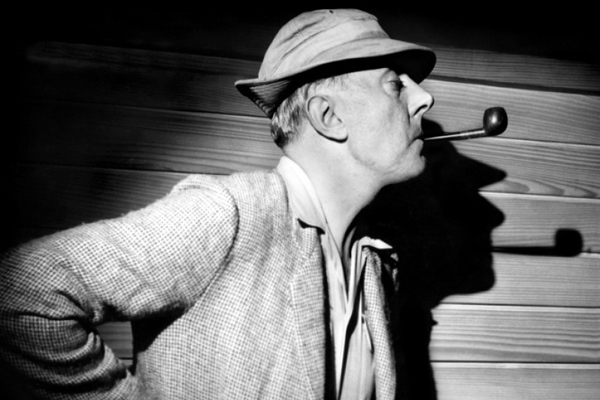
Some movies have a tendency to leave cinemagoers forever changed. The impact is so powerful that each scene of the movie remains etched in memory. Irrespective of time and place, one can still feel the same sensation as when watching the film. One of such movies, without any iota of doubt, is the classic French film titled “Mon Oncle.” Directed by one of the greatest directors, Jacques Tati, this movie is a comical take on the consequences of growing industrialization and increased dependence on technology. It simultaneously draws viewers’ attention to the difference between the bourgeoisie and the proletariat. It’s a light-hearted visual comedy that leaves a feeling of pleasure and happiness at the end. The charm of the movie is in its unsophisticated portrayal of the daily life of both classes. Under Tati’s brilliant direction, the easygoing characters and scenes seem extremely believable. It’s extremely endearing to see the way Tati, who also plays the protagonist in the film, brings the key theme to the audience and leaves them to draw the main lessons.
As many reviewers rightly stated, the entire movie, effortlessly shot, revolves around Tati’s character, Hulot, a simpleton living in a room on the roof. What struck a chord in my heart were the lovely people in the neighborhood of Hulot’s place who shared admirable camaraderie. The amusing lives of blue-collar workers, such as sweepers and vegetable vendors, are a treat for the audience. Unlike other main characters, Hulot enjoys frolicking around in the city, both alone and with his nephew, Gerard. Despite being unemployed and confused, a matter of grave concern for his sister and her husband, he continues to be carefree and entertaining, least bothered by the rejection of his antics at the new job. The main attraction of the film is Hulot’s antics and prances, which leave the audience in fits of laughter. The coming together of the characters obsessed with home-based technology and a simpleton like Hulot leads to a series of amusing mishaps. The cons of leading a life controlled by technology have also been shown in an interesting manner. Some amusing cons include locking up Hulot’s sister and her husband in their highly technical garage, their inability to have a normal conversation due to the constant, irritating noise of the kitchen machines, etc. The funniest part of the film is how the fountain is switched on as an exhibit depending on the visitor’s status. This shows how the bourgeoisie use technology to compete with each other, unlike the proletariat living in the neighborhood of Hulot.
One of the most fascinating parts of the film is the sweet bond between Hulot and Gerard. Unlike his parents, Gerard looks up to Hulot and is always ready to frolic around with him. While he is a fun-loving boy who enjoys the company of other boys, plays innocent pranks, and eats street food, he looks totally exhausted and bored in his spacious, technologically controlled home. He is bored by talking to the guests from his neighborhood because of their superficial mannerisms and foolish conversations. These scenes offer insight into the materialistic, consumerist lifestyle of the bourgeoisie. Though made as early as 1958, it remains as relevant as ever. In this age of mobile phone addiction, movies like Mon Oncle are quite essential.
Leave a Reply