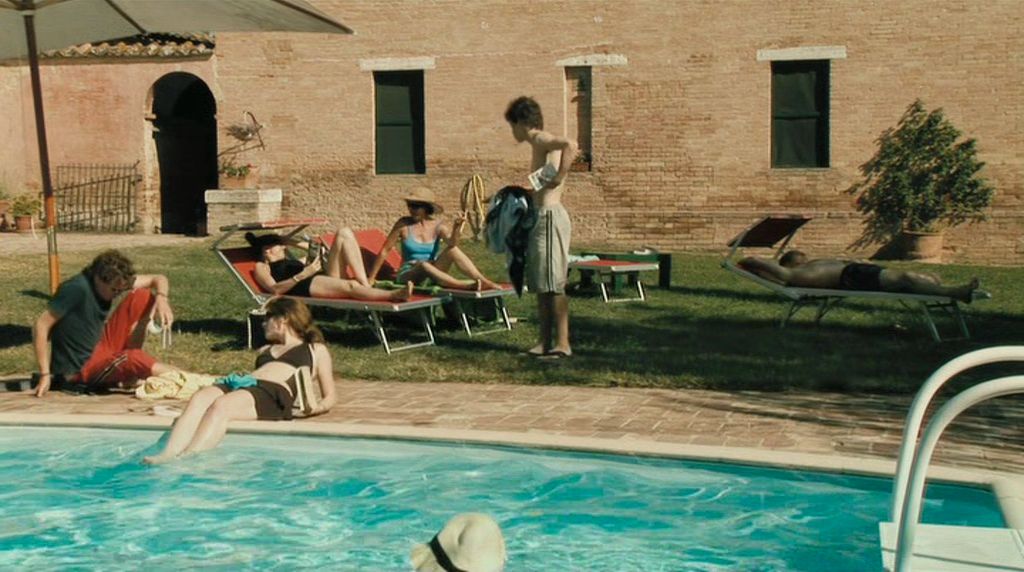

Some movies leave an impact by portraying realities as they are. They succeed tremendously in navigating through the nuances of human emotions, enabling the audience to dive into the world of passion, grief, joy, jealousy, and more. One might also wonder, at times, whether such films are all about their own personal and emotional journey, creating a bond between art and the audience. In my opinion, a large amount of human experience is gained through novels, cinema, and art. Therefore, a film is not merely a source of momentary happiness; it’s a reference point for me to understand the dynamics of human relationships. One of such classics is the film Unrelated. The film “Unrelated” by Joanna Hogg came across not as a revelation, but as a relatable story of many middle-aged men and women carrying the weight of boredom on their shoulders. Such people have already spent a large part of their lives with their partners and are now looking for things and people that would excite them. They are unconsciously driven to rediscover their lives and relive them in line with their inner feelings. Nothing new, right? That’s correct! However, the mere fact that the director, Joanna, can show these details so effortlessly and convincingly makes it much easier for the audience to relate to them and, at the same time, analyze them to form a structured opinion.
The film is about a 40-year-old woman, Anna, who, after a conflict with her partner, Alex, joins her friend and her upper-middle-class family on a vacation to try to overcome her personal crisis. She joins them in a state of disorientation, doubt, and uncertainty, beautifully portrayed by the lead actress throughout the film. While she is still recovering from her current vulnerable state, she ends up spending a large amount of her time with the young children of her friend. Anna comes across as so vulnerable throughout the movie that her closeness with one of the youngsters, Jack, also seems like an act of timidity. It seems she is constantly pushing herself in a direction chosen by her delusional concept of love. She strives hard to become part of Jack and his gang of spoiled brats, which helps her eventually comprehend the futility of such distressing emotions. The constant, uncomfortable conversations with Jack and his playful rejection of her emotions leave her more bewildered and lost. Rather than enjoying her vacation, the vacation became another roller coaster ride of yearning, grief, and sadness. She was therefore able to emerge from these muddled thoughts and understand the beauty of her relationship with Alex. This film is a reminder for middle-aged folks deluded by their surroundings to stop looking for love and a wake-up call for them to start appreciating the simpler things without being loud or holding a moral stand. The retribution of such liaisons is borne largely by women, driven to feel guilt and embarrassment for even nurturing such dreams. Without being dramatic and clamorous, the film captures the inner struggles of Anna, including the sense of abandonment by Jack, envy about his inclination toward younger women, and the inability to accept the truth.
Leave a Reply