-
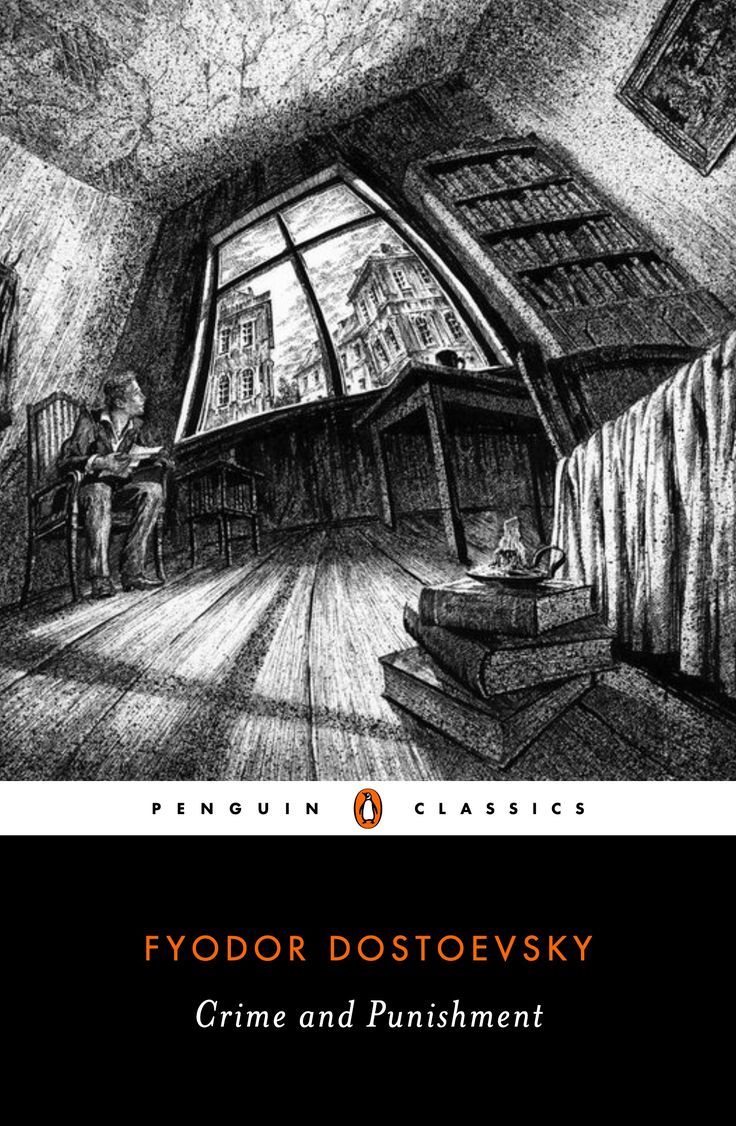
Why do classics, despite being old, continue to stand out even in today’s times? I am sure this is a question we ask ourselves every time we end up buying more classics than contemporary novels. Is it something about the thickness of these books, with tiny font-sized text scrawling like ants through the pages, or…
-

“Hiroshima Mon Amour,” a 1959 romantic drama, was written by Marguerite Duras and directed by French filmmaker Alain Resnais. This film is a classic, renowned for its surreal, magical introduction. It opens with an evocative sequence of physical intimacy between two lovers, accompanied by a poetic narration that sets a dreamlike tone. Their bodies, illuminated…
-

Have you ever wrestled with loneliness? When loneliness hits, I bet it hits hard enough to turn your world upside down. It can hit you when you are just passing your days doing nothing extraordinary- just regular, mundane stuff- capable of killing one’s spirit. No one has represented “loneliness” as well and as vividly as…
-
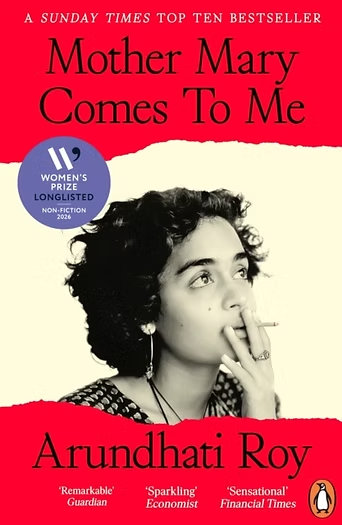
Within months of being in Ayemenem, I turned into a part of its landscape–a wild child with calloused feet who knew every hiddenth path and shortcut in the village that led to the river. I lived outdoors and went home as seldom as possible. Arundhati Roy In her memoir Mother Mary Comes to Me, Arundhati…
-
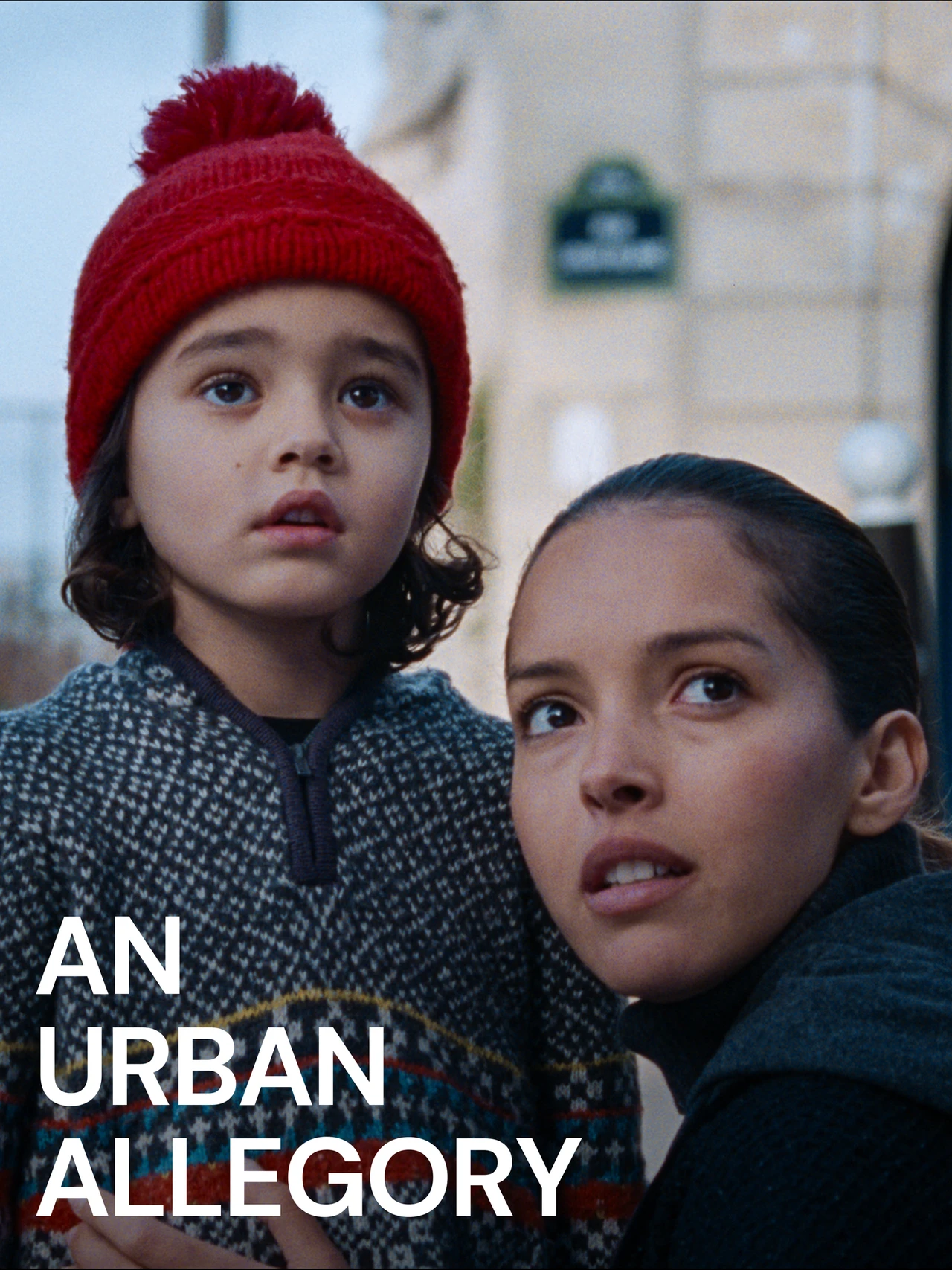
A review of the French film, An Urban Allegory, directed by Alice Rohrwacher, exploring Plato’s concept of “The Allegory of the Cave” in today’s digital times.
-

A review of the novel, “The Loneliness of Sonia and Sunny”, capturing the details of the latter chapters. Understand the journey of the protagonists by going through this review.
-

Booker Prize winner Kiran Desai’s long-awaited novel, The Loneliness of Sonia and Sunny, is a detailed account of two young Indians settled in America and of their navigation of culture, roots, and identity. The story unfolds steadily and gives an early impression of another set of confessions and nostalgic longings of an Indian American author. However,…
-
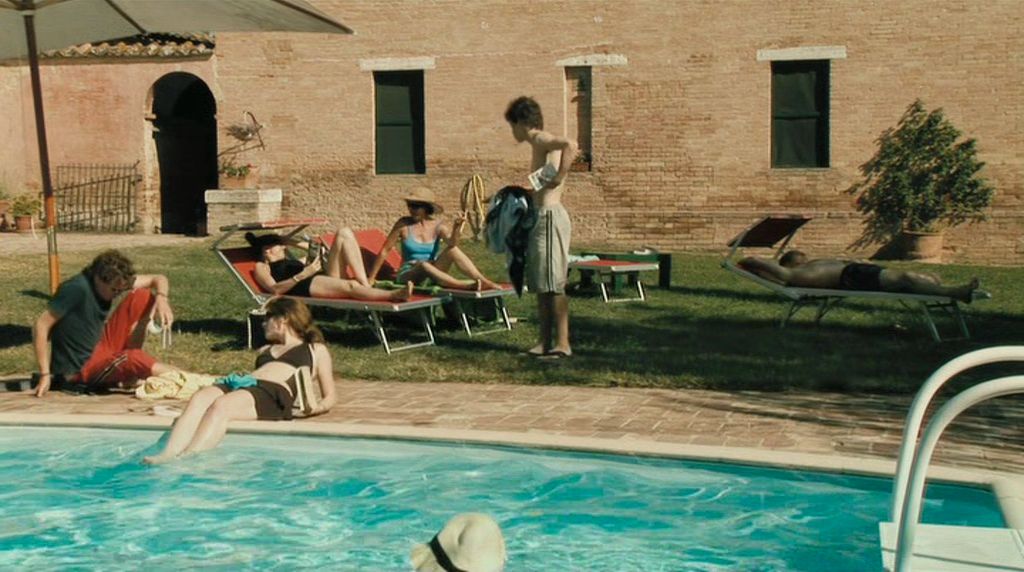
Some movies leave an impact by portraying realities as they are. They succeed tremendously in navigating through the nuances of human emotions, enabling the audience to dive into the world of passion, grief, joy, jealousy, and more. One might also wonder, at times, whether such films are all about their own personal and emotional journey,…
-
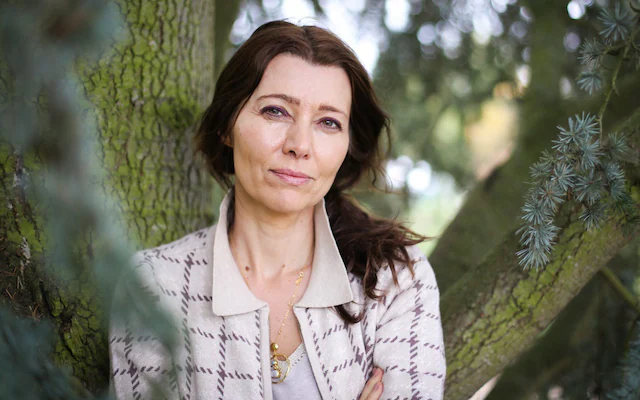
I just finished reading the novel “Honour“, written by the Turkish author Elif Shafak, and have so many thoughts and views to share on this book. The plot of the novel is sensitive, contemplative, heart breaking, real and nostalgic; I would say it’s a story that resonates with our own personal struggles in the face…
-

What do I want from my life? I want to see the world, the world that has multiple layers, Uncover each layer to fathom the depth of life, I want to meet people, See faces and find the story behind each wrinkled face, The beauty of life is in just living, Not running, Sitting under…